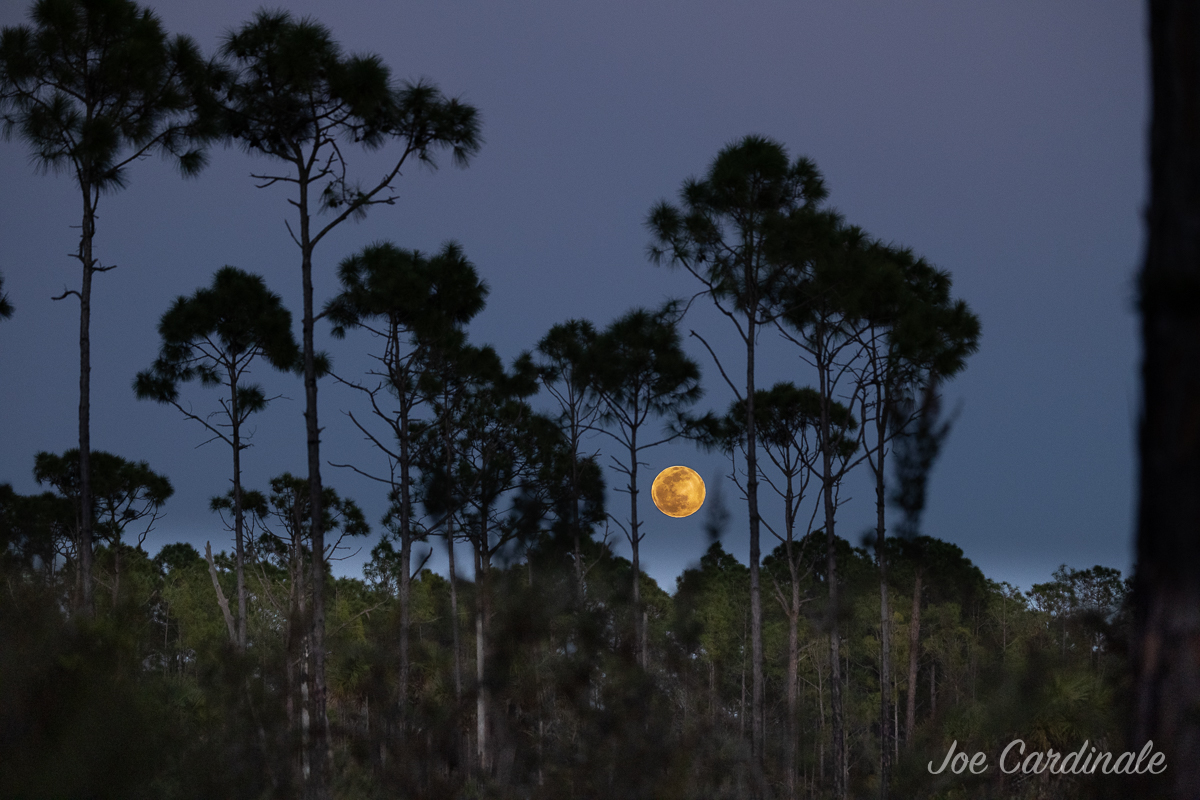
After an outstanding first year of Strolling Science Seminars, we are happy to announce our second season of scholarly outdoor seminars for adults. The CREW Strolling Science Seminars is a series of six scholarly walking lectures – with some hands-on activities thrown in – designed specifically for inquiring adults. Each seminar engages participants in scholarly discourse and citizen science on a specific topic related to the watershed and wildlife of CREW.
Seminar leaders are experts in their fields – either academic professors or working professionals in environmental sciences. Gain in-depth knowledge, hands-on field experiences, and get access to exclusive online resources.
Fee per seminar: $15 CREW Members, $25 non-members

November 15, 2012—4:30 – 7:30 PM – The Mad Batters of CREW (Bats), with Kathleen Smith, FFWCC Biologist
Have you ever wondered how scientists catch bats or how they determine what species of bat is flying above you? Come learn about these fascinating creatures of the night in this seminar. We’ll dispel myths about bats, teach you their importance in our ecosystem, and tell you how you can help.
The presentation will describe native bat species found at CREW and their role in the ecosystem. Bats are critically important to the functioning of the natural ecosystem by consuming insects and agriculture pests.
Participants: Click here for resources and more information about Bats

December 15, 2012—9:00 AM – 12:00 PM – Snake in the Grass: Not Always a Bad Guy (Snakes) WITH DR. JOHN HERMAN, FGCU PROFESSOR
Snakes may be the most maligned and misunderstood group of animals in the natural world; long-serving as a symbol of evil in many cultures. However, the reality is more closely outlined in a quote by noted American herpetologist Clifford Pope, “snakes are first cowards, then bluffers, and last of all warriors.” On this expedition you will learn how to safely observe and share outdoor areas with snakes, as well as their importance to the ecosystem.
Any ecosystem, including CREW, can only truly be healthy if all of its parts are filling their roles. We can’t pick and choose which parts to protect based on if we find them “cute” or “cuddly”. This seminar’s purpose is to bring snakes out from the shadows of fear and into the light of respect and protection.
Click here for resources and more information about snakes.
 January 5, 2013—9:00 AM – 12:00 PM – Evolution & Natural Selection, with Dr. Billy Gunnels, FGCU

Evolution is the most powerful force in life, shaping all interactions and features of the natural and human environment. The beauty and diversity that you experience every moment of your life is a direct result of evolution. This process is so critical that the survival of every single species depends on evolution; a world without evolution would result in the extinction of all life on planet Earth. Furthermore, evolution is a never-ending phenomenon. Evolution is not history, evolution is not dead, and evolution is not static. Evolution is a dynamic phenomenon that can be observed during any walk through the woods, visit to the hospital, or bite of food.
Come join us as we examine the life altering reality of evolution and natural selection in the CREW. Dr. billY Gunnels is a dynamic, passionate, knowledgeable educator. Don’t miss this opportunity to learn from one of the best teachers in southwest Florida.
Click here for resources and more information about snakes.
February 8, 2013—9:00 AM – 12:00 PM – “It’s a Zoo Out There” – Identification and Ecology of Exotic Plants and Animals with Roger Clark and John Cassani
Participants will learn about hydrological impacts that cause or contribute to invasion of exotic plants and how to identify some of the most common exotic plants and animals occurring in different habitats at the Corkscrew Well Field, which is a Lee County Utilities water plant. Howard Wegis with Lee County Utilities will give an introduction to the wellfield and the relationship of water use to healthy native plant communities. Additionally, we will discuss the impact that exotic plants and animals have on native biota at the well field and methods used to manage exotic biota.
Understanding the impacts of altering ecological processes will provide a broader understanding of how ecosystems are changing as a result of hydrologic alterations and exotic biota impacts which often follow. Examples of how exotic plants and animals affect competition, predation, disease transmission and parasitism will be provided in the context of ecosystem function.

March 8, 2013—9:00 AM – 12:00 PM – Dancing Colors and the Tigers of the Sky: The Butterflies and Dragonflies of CREW Wildlands, with Dr. Clyde E. Sorenson, NC State University
A master storyteller and teacher, Clyde has been voted a favorite professor by students at NC State University. South Florida is a uniquely tropical region in the continental United States, and its insect fauna dramatically illustrates this. Of the 155 regularly occurring butterflies in Florida, 88 can be found in and around CREW properties; about 25 of these won’t be found any further north! There are also about 130 species of dragonflies and damselflies in the state. Among all these species are some of the most spectacular insects in North America, and every one of has an important and interesting role in the ecosystem it inhabits. Come learn about this unique and beautiful sub-tropical diversity!
Many of the butterflies of CREW have important relationships with native host plants which may be scarce in the rapidly developing, non-protected areas surrounding the properties. All of the dragonflies and damselflies of CREW rely on healthy, high quality aquatic habitats during their immature phases, and all play critical roles as vigorous predators of other arthropods both in the aquatic habitats of their youth and the aerial habitats of their adulthood. During this presentation, we will not only address identification of these insects; we will also try to impart an appreciation for their ecological significance.
Click here for resources and more information about butterflies and dragonflies.

April 26, 2013—9:00 AM – 12:00 PM – The Panther Tale, with Marc Criffield, FFWCC Panther Biologist
Florida panthers are where it’s at! Come and learn what a panther is, why kittens have a tough life, how to catch a panther, and how much space a panther really needs! Panthers are one of the most recognizable and endangered species in Florida as well as the official state animal and only the citizens of Florida can save them!
Participants will gain the perspective that CREW provides a habitat island in a sea of development and intensive land use which is critically important to help maintain the Florida panther in its current range and sustain the species into the foreseeable future. Click here for resources related to Florida panthers.
Participants: Click this link for resource pages on Citizen Science. To get more info on resources related to tall the seminar topics, go to our homepage and search (top right corner) for the topic by name.
 The Strolling Science Seminars are supported in part by a Public Outreach Grant from the Charlotte Harbor National Estuary Program (CHNEP). The Charlotte Harbor National Estuary Program is a partnership to protect estuaries in southwest Florida from Venice to Estero Bay.
___________________________________________________
Other Adult Education Opportunities: The CREW Trust offers other specially designed interpretive hikes and field trips for adult groups – from garden clubs to leadership teams to local businesses. These hikes typically last 2 to 3 hours and include information about the history of CREW, the importance of the watershed to quality of life, water and wildlife issues, and natural history of the land. To schedule a hike for your adult group, email or call the office using the contact information on our home page.


