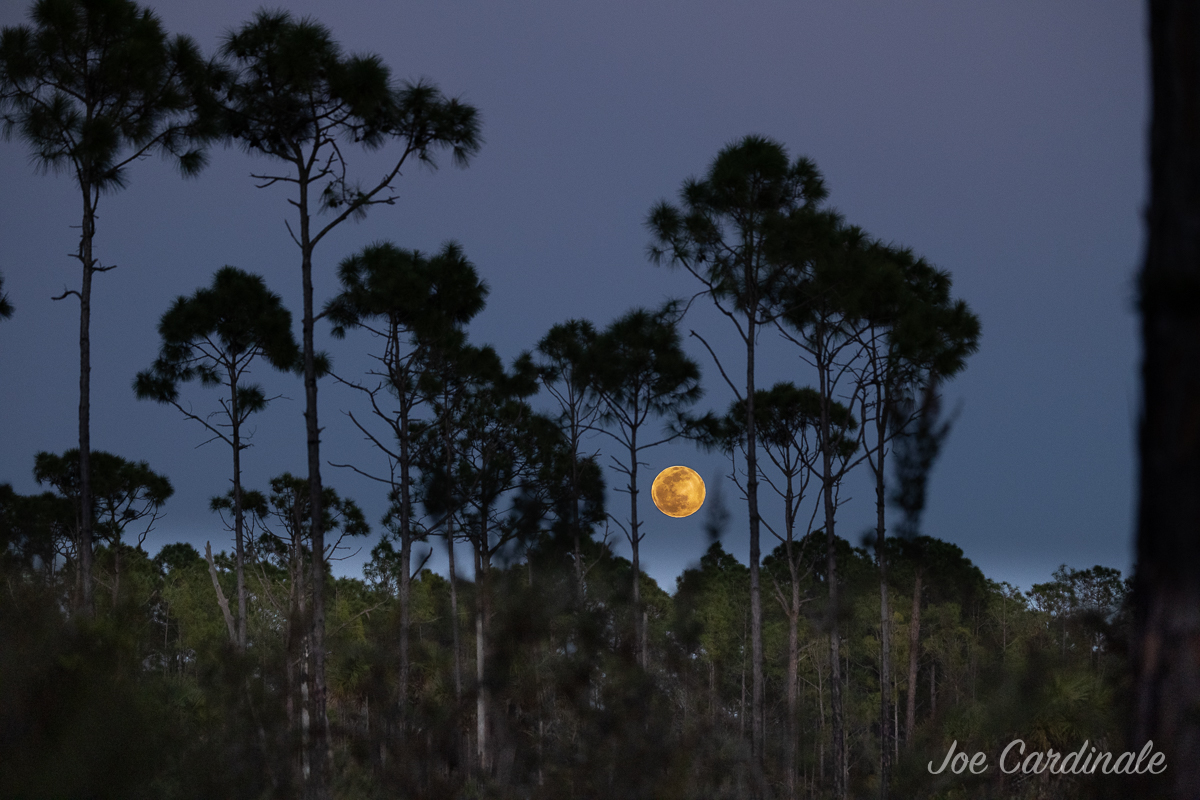
If you’ve ever walked the CREW hiking trails, you know that sometimes you get to see animals like armadillos and bobcats and black racers – and sometimes you don’t. Yet, you know they are out there – wandering, feeding, sleeping, living their lives. If you’re observant, you can see signs of them everywhere in the form of tracks, scat, nests, and trails.
So, what really walks those hiking trails when we’re not there? Remote cameras are a great way to capture animal activity. One of our CREW volunteers deploys and monitors a remote camera out in CREW. The camera location changes with the seasons, and we often get some great shots of animals rarely seen by people. If you ever wondered what walks the trails when you’re not there, take a look at these shots captured recently…and then make plans to come visit a CREW trail soon.
It’s that time of year. When birders get giddy and other folks who actually pay attention to things outside their cars and houses begin to notice different flying objects within their view. At CREW, the signs are obvious – the seasons are a-changin’. Water levels are high, the weather is hot and humid, and the maple trees are starting to turn burgundy while the cypress needles hint at turning brown. But the most dramatic changes right now are in the air.
Our feathered friends are heading for their winter homes, and that means some are leaving southwest Florida, some are arriving for their winter stay, and some are just passing through. During the past two weeks, the swallow-tailed kites have been seen circling in groups of 10, 20, 30 and more, staging for their trip back to South America. This week, the tree and barn swallows have been racing through the skies in their characteristic swooping, circling flights chasing after flying insects like dragonflies, damselflies, and wasps. And Joe Bozzo, the SFWMD project manager for CREW, spotted prothonotary warblers and Louisiana waterthrushes at Bird Rookery Swamp already.
Photo by George Luther
So, if you want to catch some of this amazing migratory action, grab your binoculars and come on out to the CREW trails to see what you can find. The CREW Marsh Trails are a designated Great Florida Birding Trail site, and I’ve heard bitterns calling in the seasonal pond several times during the last two weeks. The Bird Rookery Swamp boardwalk and the trail just past the boardwalk is a regular “hot spot” for great migratory birds. Joe says to watch for yellow-billed cuckoos, red-eyed vireos, prairie warblers and black-throated blue warblers. Last year the orange-crowned warblers and Baltimore orioles were common sightings there, too.
Let us know what you see – post it here as a comment – so others can go see it, too.
Andrew West, accomplished photo-journalist with the Fort Myers News-Press, publishes weekly online videos which represent his views of southwest Florida and his experiences photographing for a variety of news stories.
This week Andrew has created a spectacular video about his experience with high waters and a snake at CREW. His photography is stunning and his narration speaks to the magic that is CREW. Be sure to take a few minutes to watch this fabulous piece “Andrew’s View: High Waters and a Snake” from the News-Press website. It’s worth it!
Monitoring wildlife populations helps us understand the health and status of various species and provides essential information when making land and wildlife management decisions at CREW.
Kathleen Smith, Florida Fish and Wildlife Commission biologist assigned to CREW, conducts deer surveys in portions of CREW using remote sensing cameras. In addition to providing information on the deer populations, these surveys help test specific methods for estimating deer populations. Using baited stations with remote sensing cameras set up nearby, the bait stations and cameras are deployed for about two weeks. Then the photos are analyzed and deer numbers, gender, ages, and activity recorded.
Anytime remote cameras are set up in the woods, it is expected that a variety of wildlife will appear and be captured as they enter the viewfinder of the camera. But you don’t always expect “action shots” of animals doing crazy things in the wild. This year, however, was an exception. As the photos got downloaded to the computers, and Kathleen and her team were quickly flipping through them, one particular action shot caught their attention. Take a look at the following sequence of photos to see what caught their eye… (click on each photo for a larger image)
Raccoon visits bait station (Photo by FFWCC)Alligator attacks raccoon (Photo by FFWCC)Alligator after attack on raccoon (Photo by FFWCC)
How’s that for a surprise? Pretty amazing timing for a remote camera shot! And so much for the bait station! What do you think…did the raccoon get away?
…or a boa, or any other non-native, invasive snake.
You’ve seen the news reports. You know they are here. But have you ever actually seen a python while out hiking in southwest Florida? And what should you do if you see one at CREW?
Python photo from FFWCC
The first known sighting of a python in CREW occurred in Bird Rookery Swamp in 2005. Since then, no other sightings have been reported in the watershed – until this year. In June 2013, a 10-foot python was seen near the CREW field office off Corkscrew Road in Lee County. Last week, a 9-foot common boa was found by exotic plant treatment contractors in Flint Pen Strand off Bonita Beach Road.
These two recent sightings confirm that these large non-native snakes are moving into the CREW watershed, so we want you to know what to do if you see one while out hiking on the CREW trails.
First – do not approach the snake, but do confirm its identity, and if you can, take a photo and mark the GPS coordinates of the snake’s location.
Second – if the python or boa is still in your view and staying put, call the FWC Exotic Species Hotline number 888-IVE-GOT1 (888- 483-4681) to report the location.
If the snake is moving away and out of your sight, report it using the IVEGOT1 smartphone app for iPhone or Androidor the website form at IVEGOT1.org (register ahead of time, so you don’t have to do that part in the field)
Do not attempt to remove the snake. Only permitted, trained individuals may remove pythons or boas (also known as conditional species) and even then only from certain Wildlife Management Areas and other public lands with permits/permission from both FWC and the landowner.
And if you want to get more involved, you can complete this online training course from the University of Florida that will help you recognize and report large invasive reptiles. (REDDY – Reptile Early Detection and Documentation training)
Reporting your sighting helps FWC, the SFWMD, and other agencies manage these invasive exotic species and determine their distribution and range. Burmese pythons and boas are non-native snakes introduced in Florida by accidental and intentional releases by pet owners. They can be found in or near freshwater aquatic habitats like marshes and swamps and can grow up to 20 feet in length. They eat alligators, birds, mice, rabbits, raccoons, deer, and other small mammals. To learn more, visit the Python pages on the FWC website.
CREW volunteer naturalist George Luther took a photo safari at Bird Rookery Swamp (BRS) on the 4th of July and reported an extraordinary number of Ruddy Daggerwing butterflies and many species of dragonflies. He also spotted deer, kites, and lots of other wildlife active on the trails. (See his photo gallery above)
The water levels are rising rapidly with the recent rains, which sheet flow into Bird Rookery from the CREW headwaters – the Corkscrew Marsh in the northeast – and through Audubon’s Corkscrew Swamp Sanctuary.
If you haven’t yet ventured to a CREW trail this summer, come visit. It is a remarkable time to be out in the woods, marshes, and swamps.
Florida Fish & Wildlife Commission biologist Kathleen Smith shot this photo of a swallow-tailed kite roost in Corkscrew Swamp Sanctuary just over the CREW Bird Rookery Swamp border while doing wading bird survey flights over CREW in June.
Swallow-tailed kites migrate to southwest Florida from South America (Brazil) to nest during our spring/summer seasons. By June, the young are fledging and flying with the adults in preparation for their journey back to South America in August. Here, you can count as many as 19 birds roosting together on one tree with a few others scattered in nearby trees.
The Corkscrew Regional Ecosystem Watershed (CREW) provides critical habitat for this at-risk species. Your support of CREW and other conservation organizations that protect habitat helps species like these kites survive.
Hours: One hour before sunrise to one hour after sunset
Trails/Facilities: Free – donations accepted, Open to public
Trail Information
The Bird Rookery Swamp Trail officially opened in July 2011. The Bird Rookery Swamp Trail offers 12 miles of hiking and biking trails, including a 1500-ft. boardwalk with wheelchair accessibility. A 1/4-mile crushed shell path leads to a 1500-ft. boardwalk, then the trails become ground level, sandy/grassy, relatively flat berms with swamp on both sides. The trails are actually old tram roads used when the area was logged many years ago. Biking can be a challenge on the grassy/sandy trails, but quite rewarding. The maple-cypress swamp is home to alligators, otters, Florida panthers, bobcats, white-tailed deer and more. There is one portable toilet at the beginning of the boardwalk and several benches along the trail within the first 1.5 miles. Beyond that there are no structures.
Birders will delight in the abundance of songbirds that frequent the cypress trees along the boardwalk, as well as the many raptors and wading birds found along the trails. Barred owls are common and swallow-tailed kites frequent the area in summer.
The walking of dogs along this trail is not recommended.
Directions:
From Fort Myers/Naples: From I-75, take exit 111 and turn east (away from Naples) on Immokalee Road (CR 846). Travel 11.4 miles and turn left onto Shady Hollow Blvd. (One mile past the Oil Well Rd stoplight – Shady Hollow is where Immokalee Rd goes from 4-lane to 2-lane). Go to the end of Shady Hollow (approx 2.4 miles). Parking lot is on the right.
From Immokalee: Travel west (toward Naples) on CR 846 (Immokalee Road) for approx. 16.5 miles. Turn right on Shady Hollow Blvd. Travel 2.4 miles north to parking area/gate.