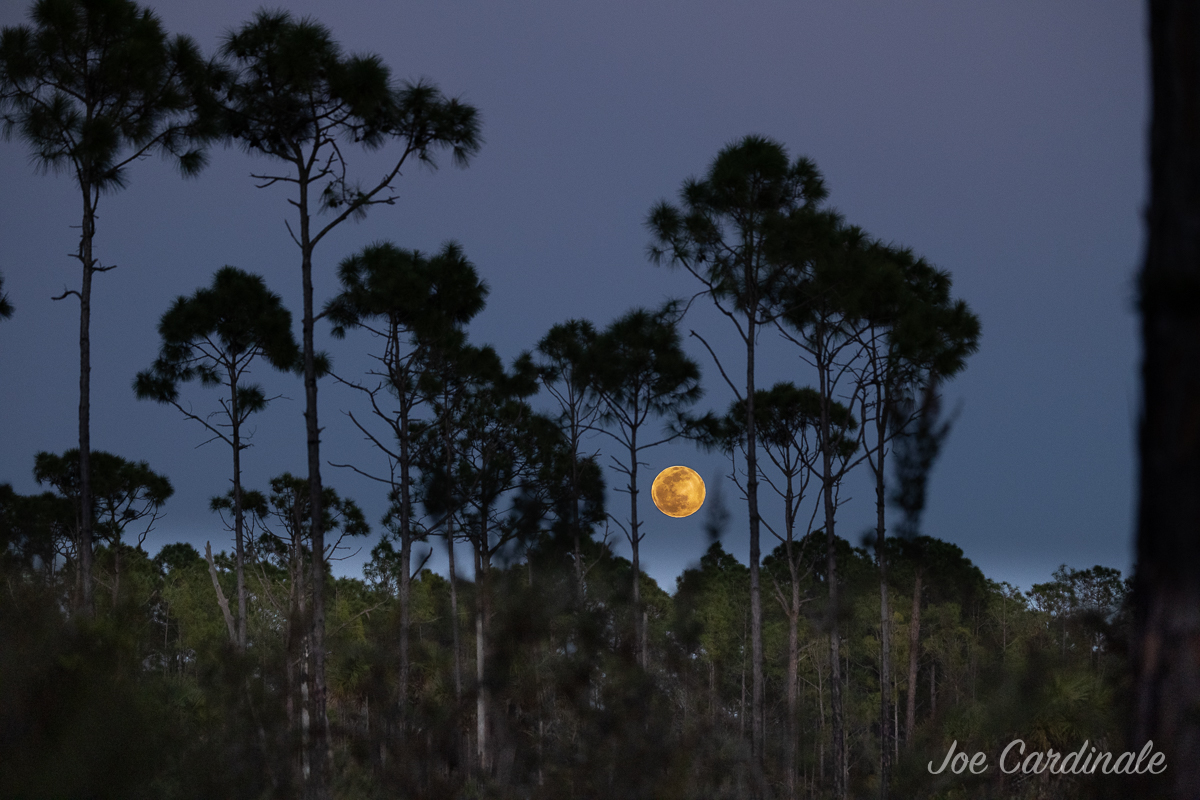
Take a short hike at the new Caracara Prairie Preserve and then sit around the campfire with Judge Hugh Starnes and hear stories about the old days and history of the Corkscrew community. Judge Starnes is the former owner of Caracara Prairie Preserve and still holds an active cattle lease on the property. His family has lived and worked this land for many generations. He’ll spin a yarn or two about homesteading, cattle ranching, and changes to the landscape over the years.
Below are additional resources and information related to evolution by natural selection for participants of Strolling Science Seminar series. All resources below were recommended by Dr. billY Gunnels of FGCU.
The PBS series “Evolution”is wonderful. On a bonus, the series highlights a research project on a newt-snake evolutionary arms race that I worked on
Beak of the Finch by Jonathon Weiner is a wonderful book for people outside of evolution that does a lovely job describing the culture of scientific research and evolutionary biology. You can find it cheap at Amazon.com
Why we get Sick: The Science of Darwinian Medicine by Neese and Willams introduces the role of evolutionary biology in modern medical science. You can find it cheap at Amazon.com
The University of California at Berkeley provides a great websites with wonderful flash animations that walks you through the process of evolutionary biology.
The CREW Strolling Science Seminars are supported in part by a Public Outreach Grant from the Charlotte Harbor National Estuary Program (CHNEP). The Charlotte Harbor National Estuary Program is a partnership to protect estuaries in southwest Florida from Venice to Estero Bay.
The CREW Strolling Science Seminars are supported in part by a Public Outreach Grant from the Charlotte Harbor National Estuary Program (CHNEP). The Charlotte Harbor National Estuary Program is a partnership to protect estuaries in southwest Florida from Venice to Estero Bay.
Runners at the starting line (photo by Linda Jacobson)
On Saturday, November 3, 2012, fifty-nine committed runners and walkers showed up at the crack of dawn, braving the cool morning temperatures to participate in CREW’s inaugural no-frills 10K Adventure Trail Run and 1-Mile Fun Run at the CREW Cypress Dome Trails. Phil Nissen, a regular CREW trail runner and director of the 10K Trail Run, showed runners the map of the course, explained how the course was marked and then sent them on their way.
Runner splashes through the water at the CREW 10K Adventure Run (photo by Jenny Williamson)
They ran, walked, splashed through water and mud, saw cows and hogs at Caracara Prairie Preserve, and came across the finish line with mud in their shoes and smiles on their faces. Post run conversation was punctuated by laughter as participants told stories of their own personal adventures out on the trail. Gina Fidler said, “I haven’t had that much fun doing a race in a long time!”.
There were no bibs, no timing tags, no places or prizes – just great trails, lots of nature to appreciate, fresh air, and an enthusiastic crowd willing to have some fun. That said, we did have folks record their times for the 10K just for fun, and here is the list. If your time is missing and you have it, send it to us so we can update the list. Thanks all!
Andrews Lisa ?
Ayer Tammy 1:15:12
Bazinet Nicole 1:15:02
Bocharova Nika 1:15:10
Branstetter Cassie 1:08:22
Brooks Brenda 1:15:07
Browne David 0:48:16 (Second)
Callen Sara 1:31:00
Calvert Daniel 0:54:53
Catron Susan ?
Collins Geiger Sissy 1:02:18
Cominski Michael 0:54:16
Crosse Amy 1:09:30
Davis James 1:01:57
davis jason 1:07:52
DeLisi Daniel 0:59:21
Fidler Fran 1:01:45
Fidler Gina 1:14:12
Frantz Jeremy 1:25:07
Frantz Ali 1:25:16
Gaffney Erin ?
Gallagher Adria 0:54:18
Gallagher Brad 0:54:38
Geiger Keith 0:51:38
Gommermann Luke 0:54:00
Gray Paul 1:04:18
Hanson Keith 1:17:50
Harden Neil 0:54:08
Harvey Klaus 1:13:58
Higgins Rick 1:24:18
Jones Braidy 1:17:56
Kinsella Amy 1:08:22
Layman Laura 1:15:00
Martin James 1:24:26
May Christy 1:18:01
McKnight Jordan 0:46:54 (First)
Morford Beth 1:19:00
Ogle Stephanie 0:55:26
Payne Mary ?
Pfeiffer Nicole 1:02:18
Polgar Marisa 1:12:17
Shamus Chantil 1:14:41
Shelton Gretchen ?
Simard Susie 1:14:55
Smith Kathleen Smith 1:19:00
Solveson Rick 1:15:08
Sowder Amy 1:15:11
Spackman Matt 1:06:00
Stein Sally 1:12:17
Styra Bjoern 0:58:00
Waller Lee 1:24:00
Washuta Amy 0:55:16
Williams Sasha 1:29:10
Many of the runners had never been to or heard of CREW before, so this was a great introduction to the magic that is CREW. Naples Outfitters and Run Florida on McGregor co-sponsored the trail run with the CREW Trust, helping us purchase water and food and providing 25 T-shirts that were given away in a drawing.
Thanks to everyone who participated, to our sponsors, and to our exceptional volunteers who helped prepare the course and keep everyone on track and safe on run day. Let’s do it again!
After an outstanding first year of Strolling Science Seminars, we are happy to announce our second season of scholarly outdoor seminars for adults. The CREW Strolling Science Seminars is a series of six scholarly walking lectures – with some hands-on activities thrown in – designed specifically for inquiring adults. Each seminar engages participants in scholarly discourse and citizen science on a specific topic related to the watershed and wildlife of CREW.
Seminar leaders are experts in their fields – either academic professors or working professionals in environmental sciences. Gain in-depth knowledge, hands-on field experiences, and get access to exclusive online resources.
Fee per seminar: $15 CREW Members, $25 non-members
Seminole bat (Photo credit: FFWCC)
November 15, 2012—4:30 – 7:30 PM – The Mad Batters of CREW (Bats), with Kathleen Smith, FFWCC Biologist
Have you ever wondered how scientists catch bats or how they determine what species of bat is flying above you? Come learn about these fascinating creatures of the night in this seminar. We’ll dispel myths about bats, teach you their importance in our ecosystem, and tell you how you can help.
The presentation will describe native bat species found at CREW and their role in the ecosystem. Bats are critically important to the functioning of the natural ecosystem by consuming insects and agriculture pests.
Participants: Click herefor resources and more information about Bats
Eastern Diamondback Rattlesnake (Photo credit: Brenda Thomas)
December 15, 2012—9:00 AM – 12:00 PM – Snake in the Grass: Not Always a Bad Guy (Snakes) WITH DR. JOHN HERMAN, FGCU PROFESSOR
Snakes may be the most maligned and misunderstood group of animals in the natural world; long-serving as a symbol of evil in many cultures. However, the reality is more closely outlined in a quote by noted American herpetologist Clifford Pope, “snakes are first cowards, then bluffers, and last of all warriors.” On this expedition you will learn how to safely observe and share outdoor areas with snakes, as well as their importance to the ecosystem.
Any ecosystem, including CREW, can only truly be healthy if all of its parts are filling their roles. We can’t pick and choose which parts to protect based on if we find them “cute” or “cuddly”. This seminar’s purpose is to bring snakes out from the shadows of fear and into the light of respect and protection.
Click herefor resources and more information about snakes.
January 5, 2013—9:00 AM – 12:00 PM – Evolution & Natural Selection, with Dr. Billy Gunnels, FGCU
Evolution is the most powerful force in life, shaping all interactions and features of the natural and human environment. The beauty and diversity that you experience every moment of your life is a direct result of evolution. This process is so critical that the survival of every single species depends on evolution; a world without evolution would result in the extinction of all life on planet Earth. Furthermore, evolution is a never-ending phenomenon. Evolution is not history, evolution is not dead, and evolution is not static. Evolution is a dynamic phenomenon that can be observed during any walk through the woods, visit to the hospital, or bite of food.
Come join us as we examine the life altering reality of evolution and natural selection in the CREW. Dr. billY Gunnels is a dynamic, passionate, knowledgeable educator. Don’t miss this opportunity to learn from one of the best teachers in southwest Florida.
Click herefor resources and more information about snakes.
February 8, 2013—9:00 AM – 12:00 PM – “It’s a Zoo Out There” – Identification and Ecology of Exotic Plants and Animals with Roger Clark and John Cassani
Participants will learn about hydrological impacts that cause or contribute to invasion of exotic plants and how to identify some of the most common exotic plants and animals occurring in different habitats at the Corkscrew Well Field, which is a Lee County Utilities water plant. Howard Wegis with Lee County Utilities will give an introduction to the wellfield and the relationship of water use to healthy native plant communities. Additionally, we will discuss the impact that exotic plants and animals have on native biota at the well field and methods used to manage exotic biota.
Understanding the impacts of altering ecological processes will provide a broader understanding of how ecosystems are changing as a result of hydrologic alterations and exotic biota impacts which often follow. Examples of how exotic plants and animals affect competition, predation, disease transmission and parasitism will be provided in the context of ecosystem function.
Julia butterfly (Photo credit: Rich Leighton)
March 8, 2013—9:00 AM – 12:00 PM – Dancing Colors and the Tigers of the Sky: The Butterflies and Dragonflies of CREW Wildlands, with Dr. Clyde E. Sorenson, NC State University
A master storyteller and teacher, Clyde has been voted a favorite professor by students at NC State University. South Florida is a uniquely tropical region in the continental United States, and its insect fauna dramatically illustrates this. Of the 155 regularly occurring butterflies in Florida, 88 can be found in and around CREW properties; about 25 of these won’t be found any further north! There are also about 130 species of dragonflies and damselflies in the state. Among all these species are some of the most spectacular insects in North America, and every one of has an important and interesting role in the ecosystem it inhabits. Come learn about this unique and beautiful sub-tropical diversity!
Many of the butterflies of CREW have important relationships with native host plants which may be scarce in the rapidly developing, non-protected areas surrounding the properties. All of the dragonflies and damselflies of CREW rely on healthy, high quality aquatic habitats during their immature phases, and all play critical roles as vigorous predators of other arthropods both in the aquatic habitats of their youth and the aerial habitats of their adulthood. During this presentation, we will not only address identification of these insects; we will also try to impart an appreciation for their ecological significance.
Click herefor resources and more information about butterflies and dragonflies.
Panther at CREW – 2012 (Photo credit: Bob Melin)
April 26, 2013—9:00 AM – 12:00 PM – The Panther Tale, with Marc Criffield, FFWCC Panther Biologist
Florida panthers are where it’s at! Come and learn what a panther is, why kittens have a tough life, how to catch a panther, and how much space a panther really needs! Panthers are one of the most recognizable and endangered species in Florida as well as the official state animal and only the citizens of Florida can save them!
Participants will gain the perspective that CREW provides a habitat island in a sea of development and intensive land use which is critically important to help maintain the Florida panther in its current range and sustain the species into the foreseeable future. Click here for resources related to Florida panthers.
The Strolling Science Seminars are supported in part by a Public Outreach Grant from the Charlotte Harbor National Estuary Program (CHNEP). The Charlotte Harbor National Estuary Program is a partnership to protect estuaries in southwest Florida from Venice to Estero Bay.
Other Adult Education Opportunities: The CREW Trust offers other specially designed interpretive hikes and field trips for adult groups – from garden clubs to leadership teams to local businesses. These hikes typically last 2 to 3 hours and include information about the history of CREW, the importance of the watershed to quality of life, water and wildlife issues, and natural history of the land. To schedule a hike for your adult group, email or call the office using the contact information on our home page.
That means there’s a lot of new activity in CREW – and some of it is illegal.
Saw palmetto berries are the fruit of the saw palmetto plant (Serenoa repens). Saw palmetto is the predominant understory plant in CREW’s pine flatwoods communities. The berries, which ripen in late summer, are an important food source for wildlife – especially the threatened Florida black bear.
They are also used as an alternative medicine by over 2 million U.S. men to treat benign enlargement of the prostate, according to the New England Journal of Medicine. That and other markets for the berries bring berry pickers to CREW each summer to harvest these fruits, which bring from 10 cents to $3.00 a pound, depending on scarcity and conditions each year.
Evidence the pickers are active
Berry picking on CREW lands is illegal. CREW lands are owned by the South Florida Water Management District and are designated as a Wildlife and Environmental Area (WEA) by the Florida Fish and Wildlife Conservation Commission (FWC). The regulations for CREW prohibit the taking of any plants or plant parts, including saw palmetto berries which are a significant wildlife food source. FWC law enforcement officers do patrol the area regularly.
These lands are managed specifically for water and wildlife, so when berry-pickers illegally take berries, it disrupts food supply for animals that the CREW land managers and biologists work so hard to protect.
The berry-pickers were busy at CREW today. Our land manager discovered full berry bags and collection buckets all along the Cypress Dome Trails. The CREW staff then went out and helped to collect all the berry bags we could find, along with all the picking gear (and trash) left behind.
Full berry bags
If you are hiking on CREW lands during the next month or so and see anyone picking berries or if you see bags or other evidence of berry-picking,call the FWC Hotline at 888-404-3922. The more feet and eyes out on the trails during this time, the better – for the bears and all of CREW.
In these hot, humid days of summer most of us humans try to stay indoors or in the shade to stay cool. But if you happen to step outside and gaze to the sky – especially at CREW – you may just witness one of the most spectacular sightings in all of southwest Florida. Swallow-tailed kites (Elanoides forficatus) migrate to Florida from Brazil each spring to build nests and raise their young throughout our summer rainy season.
As August arrives, these graceful kites can be seen more often in groups flying overhead, often feeding their young, and staging or gathering in large communal groups as they prepare for their 3000-mile journey back to Brazil. The adults and their young offspring (just 2 months old) will head south again in mid-August and we won’t see them again until late February to mid-March. We’ve been seeing them in groups of 20 – 25 regularly at Bird Rookery Swamp and in smaller groups of 12 – 15 around the CREW Marsh Trails and field office. Those groups will get larger as the month goes on, until one day soon when they all head south again.
So, if you want to get a last look at these magnificent birds, head on out to one of the CREW Trails early one morning soon. Listen for their piercing whistles and watch their pre-migration antics. It’s worth every minute of your time!
To learn more about swallow-tailed kites, go here.
Dusky Pygmy Rattlesnake – Sistrurus miliarius barbouri – photo by Brenda Thomas
Pygmy rattlesnakes are commonly seen at CREW, especially during the late summer months of August and September. We seem to always have them hanging out by our office on the ramp leading up to the door. While small, pygmy rattlers are venomous and can produce a painful bite if provoked.
They feed on frogs and mice. Average adults are from 12 – 24 inches long. They are common in lowland pine flatwoods, along lakes and rivers, near marshes and prairies, and here in southwest Florida are often seen along canal banks or curled up in a mulch bed or by a door frame.
It’s always a good idea to wear closed-toed shoes while hiking or when working in the yard if you have suitable habitat nearby. Being aware so as to avoid stepping on one protects both you and the snake. If you ever see one, you will marvel at the beautiful color and pattern of its scales. The best thing to do when you encounter a pygmy rattlesnake is to give it the respect it deserves, and leave it alone.
We hope summer is treating you all well. It’s quiet time at CREW, while the rainy season sets in and the tourists are away, and it’s been a couple of months since our first Strolling Science Seminar series ended with a delightfully enlightening session on Pollinators led by FGCU professor, billY Gunnels. In that session billY told fascinating stories of plants and animals – both generalists and specialists – and their quest to achieve pollination, one of the most important biological processes on our planet. Aside from the obvious ecosystems that need pollinators, we humans also depend on pollinators for food, drink, fiber, and medicines.
But worldwide there is “evidence that pollinating animals have suffered from loss of habitat, chemical misuse, introduced and invasive plant and animal species, diseases and parasites.” (http://www.pollinator.org/pollination.htm) Because one of the goals of the CREW Strolling Science Seminars is to inspire people to engage in some form of citizen science, we wanted to share this pollinator resource we’ve come across recently – the Pollinator Partnership. Their mission “is to promote the health of pollinators, critical to food and ecosystems, through conservation, education, and research.”
You can use their resources to learn how to plant a pollinator friendly garden, to get involved with pollinator monitoring, to use pollinator-promoting farm practices, to volunteer, and much more. Learn the natural history and current research on bees, hummingbirds, and other important pollinators. Of course, billY might have a different thing or two to say about honeybees! 🙂
There’s even a planting guide for the Outer Coastal Plain Mixed Province, which includes most of Florida. So check it out and help all the pollinators out there do their jobs. After all, our ecosystems and our food sources depend on them!