The sweet smell of pawpaws

One of our favorite spring wildflowers is blooming! We spotted – and smelled – the first pawpaws blooming last week along the edges of the flatwoods in the Cypress Dome Trails and the CREW Marsh Trails.

For visitors lucky enough to attend one of the remaining free guided walks at the Marsh Trails with Janet Bunch, you’ll learn all about the pawpaws and likely get nose-close and personal with their sweet scent.

Pawpaws are important for several reasons beyond their beauty and smell. First, they are a host plant for zebra swallowtail butterflies. Second, the fruit they produce is a delicious foodsource for many animals including gopher tortoises.

Want to learn more about CREW wildflowers?

Additional resources to help you find and ID southwest Florida native wildflowers include:

Click HERE for a partial list of wildflowers found at CREW.

Brrrrrrrr! Who is roaming Birdy Rookery Swamp in these wintry conditions?

Too cold to head to the trails? Thinking the animals will be huddling somewhere for warmth?

That is true for many of our reptile friends, but the weekend’s heavy rain combined with the cool temperatures made for a lot of wading birds out and about Monday morning at Bird Rookery Swamp!

CREW Trust volunteer naturalist Dick Brewer braved the elements and sent in his wildlife count from yesterday’s chilly excursion.

Photo credits: Dick Brewer

Bird Rookery Swamp

Monday, January 28, 2019 ~~ 7:20 AM – 1:20 PM

temperature: 47.1-54.0º ~~ RH 84.0-76.8%

sky: overcast ~~ wind 7-10 mph

BIRDS

Muscovy Duck – 1

Double-crested Cormorant – 2

Anhinga – 29

Great Blue Heron – 16

Great Egret – 34

Snowy Egret – 2

Little Blue Heron – 19

Tri-colored Heron –  7

Black-crowned Night Heron – 35

White Ibis – 145

Roseate Spoonbill – 2

Black Vulture – 38

Turkey Vulture – 9

Red-shouldered Hawk – 14

Belted Kingfisher – 5

Red-bellied Woodpecker – 15

Yellow-bellied Sapsucker – 1

Downy Woodpecker – 1

Pileated Woodpecker – 7

Great-crested Flycatcher – 3

Eastern Phoebe –  3

White-eyed Vireo – 9

Blue-headed Vireo – 2

Tufted Titmouse – 3

Carolina Wren – 10

Blue-gray Gnatcatcher – 8

Gray Catbird – 28

Northern Mockingbird – 1

American Goldfinch – 1

Common Grackle – 11

Black-and-white Warbler – 1

Common Yellowthroat – 10

Palm Warbler –  19

Northern Cardinal – 9

Painted Bunting – 3

HERPS

Alligator –  7

MAMMALS

Gray Squirrel – 2

River Otter – 2

Raccoon – 5

White-tailed Deer – 1

Egret Rescue at Bird Rookery Swamp

On Friday, visitor and photographer Bill Grabinski noticed an egret that was entangled in fishing line.

Fortunately, Kathleen Smith, FWC biologist for the CREW Project, was on site at Bird Rookery Swamp and was able to assist. She noted that someone had cut their fising line and the hook was on the bird’s leg, and the line was entangled on the shore. When the bird would attempt to fly away, it would be yanked back. She was able to untangle the bird from the line and release it.

Mr. Grabinski captured the rescue in the photos below.

If you see wildlife that needs assistance while hiking the CREW Trails, contact the FWC’s Wildlife Alert Hotline at 1-888-404-3922 to speak directly to an FWC representative.

Check out what you might see at Bird Rookery Swamp this week!

Long-time CREW Trust volunteer naturalist Dick Brewer is a treasure-trove of information and brilliant citizen scientist. This week’s critter count includes a chicken turtle, almost 30 red-bellied woodpeckers and a great photo of two crested caracaras. Interested in making your own critter count during your next hike? Print out Dick’s BIRD ROOKERY SWAMP Wildlife Checklist and take it with you!

Bird Rookery Swamp

Wednesday, December 19 ~~ 7:05 AM – 1:00 PM

temperature: 54.0-76.0º ~~ RH 85.5-60.5%

sky: sun early, clouds late ~~ wind: calm at start, then 8-12 mph

BIRDS

Wood Duck – 2

Double-crested Cormorant – 5

Anhinga – 28

Great Blue Heron – 11

Great Egret – 10

Snowy Egret – 3

Little Blue Heron – 7

Tri-colored Heron – 3

Cattle Egret – 1

Green Heron – 4

Black-crowned Night Heron – 11

White Ibis – 22

Roseate Spoonbill – 1

Wood Stork – 2

Black Vulture – 12

Turkey Vulture – 26

Osprey – 1

Red-shouldered Hawk – 14

Crested Caracara – 2

American Kestrel – 1

Common Gallinule – 1

Killdeer – 5

Mourning Dove – 2

Barred Owl – 2

Belted Kingfisher – 8

Red-bellied Woodpecker – 28

Yellow-bellied Sapsucker – 4

Downy Woodpecker – 1

Pileated Woodpecker – 8

Great-crested Flycatcher – 1

Eastern Phoebe –  7

Carolina Wren – 13

House Wren – 1

Blue Jay – 1

Blue-gray Gnatcatcher – 21

Northern Mockingbird – 2

Gray Catbird – 21

Common Yellowthroat – 1

Palm Warbler – 5

Pine Warbler – 1

Northern Cardinal – 4

Common Grackle – 77

BUTTERFLIES

White Peacock – 21

Phaon Crescent – 1

Barred Yellow – 16

Tropical Checker – 1

HERPS

Alligator – 11

Brown Anole – 1

Banded Water Snake – 1

Red-bellied Turtle – 5

Florida Chicken Turtle – 2

MAMMALS

River Otter – 2

Raccoon – 1

Chirp chirp CHECK! Take these wildlife checklists with you when you hit the CREW Trails.

Our volunteer naturalist of many years, Dick Brewer, is well known on our website, blogs and social media for his hours of work as a citizen scientist in the field and for his almost-weekly critter counts.

Now you, too, can complete a critter count! Even if you aren’t quite sure what animals are out there.

Dick has combed through years of observations by himself and others and created two wildlife checklists: one for Bird Rookery Swamp and one for the Cypress Dome Trails. The lists have everything from alligators to skippers, bitterns to bats. Check them out and print a copy for your next visit to the trails!

CYPRESS DOME TRAILS wildlife checklist

BIRD ROOKERY SWAMP Wildlife Checklist

Ain’t no party like a BEAR CRASHING YOUR PARTY: How to properly host an event at the CREW pavillions

Often we find things on the trails and we get to use them as clues to interpret what happened.

Our most recent favorite find was in an email from Dick Brewer, our volunteer naturalist. Dick found a recently-killed alligator (or its parts) on the trail and, based on all of the clues he saw, deduced that a bobcat had taken down the gator.

That is a way more interesting find than the photo above, which was taken by one of FGCU’s awesome campus naturalists who was out on the CREW Marsh Trails.

In the photo you see what was once a storage shed that was located in the woods near Suzanne’s Pavillion. It sat empty this summer because, in the winter, we had incidences of hikers breaking into our plastic shed. I’m not sure what they hoped to find – gold, rare artifacts, maybe that’s where they think the panthers hide? We once stored field trip supplies in that shed, but those had to be moved and our volunteers built permanent storage solutions for those materials in order to avoid someone stealing our dip nets and plastic bins.

Now, it’s important to note that this photo didn’t suprise us. The day before this mess was found, we led a tour at the Marsh trails and Savannah and I found watermelon rinds thrown around the parking lot along with a few plastic forks. Then, out on the trails, we found pieces of blue balloons.

So this party photo – where somone decided to stash their garbage in our old storage shed?

Unsurprising. Sad, A total mess and worse – a wildlife hazard.

Who tore into that delicious trash? A bear. A bear that frequents the area, because we can see the scat when we do hikes. And now that bear has a new favorite place. I mean, if I found a storage shed full of leftover cake and watermelon, I would go back and look for more.

The stash of trash, plastic blue balloon pieces and food in the parking lot tells a story – and it’s not a good one. Someone planned a party, brought their supplies out, hiked to the pavillion, had a great time, cleaned up the trash, looked around for a garbage can, found our storage shed off the trail, busted into it and stashed their trash. Hiked back. Went home. Didn’t think about the ballons they let blow all over; didn’t think about the wildlife out there who might try and eat the balloon pieces, or the bear who would tear apart the shed to get to their garbage.

We practice leave no trace for a lot of reasons at our trails, and the number one reason is to protect wildlife. We can’t emphasize this enough – the land is there for water first, then wildlife, then humans. We come third.

So, how can someone host an event at the pavillion and avoid making a huge giant dangerous mess? Check out our suggestions below.

Only pack in what you can pack out

A big old sheet cake that requires forks, plates and napkins is going to be terribly difficult to cart to the pavillion and that’s an approximately one mile hike at the Marsh Trails. Instead, take a box of cupcakes and a plastic bag. Eat the cupcakes, put your cupcake wrappers and  cardboard box cupcake carrier into your small trash bag and stash it in your backpack. Then go enjoy the trails. Or grab birthday-cake flavored snack bars. Or pack fruit! Anything that doesn’t leave you with a bunch of waste is a great idea.

Release joy, not balloons

Instead of bringing balloons to celebrate or decorate,  opt for singing a birthday song to celebrate. Bonus if the songbirds join in. Or, if you reall need something to set the birthday boy/girl apart from the crowd, decorate their hiking stick for the day. Just not with balloons. Please.

Hike, then eat

Instead of taking all of your food out to the pavillion, opt instead to eat at our convenient ring of benches at the trailhead in the parking lot. It’s a very cool, shaded spot, and your food and drinks can stay nice and cool in a cooler in your car. That’s much better than trying to heat lunch that is boiling lava hot after hiking in the Florida sun for an hour or more. And then you are very close to your car so you can toss your waste in a trash bag that you brought, put the garbage in your trunk and drive home.

We do want everyone to enjoy the pavillions, which are a fabulous resource that we use for all of our field trips and many Strolling Science Seminars. We hope you do so respectfully and, if you need assistance or tips about how to use them appropriately, please contact our office.

A special thank you to FGCU colloquium and Brenda Thomas; the class cleaned up the garbage and the shed and hiked it all out to the trail head during their class field trip.


Alligators and YOU

So many friends of the CREW Land & Water Trust love Bird Rookery Swamp and head there on a regular basis for wildlife viewing. The number one, top-of-the-list animal they are there to see?

Alligators.


For first-time visitors, seeing an alligator seems thrilling and exciting until they almost step on one along the tram/trail or have the unfortunate luck to have their path blocked by a sunning gator. In response to a few calls we’ve received over the last few weeks, we’ve compiled some answers to frequently asked alligator questions.

Why are there so many alligators at Bird Rookery Swamp?

Bird Rookery Swamp is prime amazing fantastic Grade-A alligator habitat. It’s like an alligator gated community. Some of the neighbors keep to themselves, some live in the way back where it’s pretty private, and others like to walk around in their front yards and yell about HOA regulations.

Well, maybe not that last part, but you get the idea.

The CREW Project is 60,000-acres and is first and foremost land preserved for water, and second land preserved for wildlife. And Bird Rookery Swamp does a great job holding water and housing alligators. Who then meet up with other alligators and, well – you know the rest.

Why don’t you have rangers there to warn people about the alligators?

Let’s do a CREW Trust two-sentence refresher:

The CREW Land & Water Trust is a nonprofit conservation organization that is part of the greater CREW Project. We provide environmental education at the three (soon to be four) trail systems within the CREW Project.

What isn’t in that sentence? We – the CREW Trust- do not own the land. There is no fee to access the public lands that are owned and managed by South Florida Water Management District. So, no rangers. We do have FWC law enforcement that patrol within the 60,000-acre project. But, again, no paid rangers.

We do have volunteers who are on the trails during programs and as trail stewards, but with around 40-volunteers, we do not have someone permanently stationed at Bird Rookery Swamp to inform folks about alligators.


Where can I find information about the alligators at Bird Rookery Swamp?

In the parking lot. At the kiosk. At the second kiosk at the end of the shell path before you turn onto the boardwalk. At the talking trail post on the boardwalk. AND at the end of the boardwalk before you step down onto the grassy tram.

Florida Fish and Wildlife Conservation Commission, South Florida Water Management District and the CREW Trust have multiple signs, starting in the parking lot, that offer information about alligators and what to do when in their presence.

(That’s kind of important right there- what should HUMANS do in presence of alligators – because humans are walking into the homes of the alligators and not vice versa)

FWC has fantastic alligator resources! Please check a few of these out:

Wildlife Viewing Ethics

Living with Alligators

What should I do if an alligator is laying on the path and blocking my way?

Try saying “Hey Susan move over!”

If that doesn’t work, and it probably won’t even if the alligator is named Susan, you have to either turn around and go back the way you came or have a seat and wait. (This is a good time to remind you to pack water and snacks if you go to Bird Rookery Swamp).

Because of how the Bird Rookery Swamp trail is shaped – a number 9 – there really is only one way out and one way in, so an alligator sunning itself across the tram can create quite a long day for a group of hikers.

BUT.

You cannot throw rocks at the alligator or poke it with a stick. It is illegal to harass an alligator and this is regulated by FWC Law Enforcement.

Will alligators bite me or my dog or my children?

We do not have any record of such incidents occurring and we would like to keep it that way.

A great resource for answers to this question, and more related to alligators and biting, is the FWC human-alligator incident fact sheet.

A few notable excerpts from that fact sheet:

  • ” Be aware of the possible presence of alligators when in or near fresh or brackish water.
  • Negative alligator encounters may occur when people do not pay close attention to their
    surroundings when working or recreating near water.
  • Closely supervise children when they are playing in or around water
  • Observe and photograph alligators only from a safe distance. Remember, they are an
    important part of Florida’s natural history as well as an integral component of freshwater
    ecosystems.
  • Leave alligators alone. State law prohibits killing, harassing or possessing alligators
    except under permit.
  • Never remove an alligator from its natural habitat or accept one as a pet.”

And probably the most important take-away from the FWC fact sheet:

The likelihood of a Florida resident being seriously injured during an unprovoked alligator incident in Florida is roughly only one in 3.2 million. 


I do not feel comfortable with the large number of alligators at Bird Rookery Swamp. What can I do about this?

One of the best things about Southwest Florida is that we have so many great places to walk and experience nature. A primitive trail system where humans are directly sharing space with native wildlife may not be for everyone, and we understand that.

If you would like to increase your comfort level, we encourage you to sign up for one of our guided walks with a volunteer naturalist at Bird Rookery Swamp. Or visit the CREW Marsh Trails or Cypress Dome Trails which have significantly less alligators.

If you would prefer to hike someplace that does not share the trail directly with wildlife, we encourage you to explore other trails in the area, such as Corkscrew Swamp Sanctuary, the Gordon River Greenway and Naples Preserve.
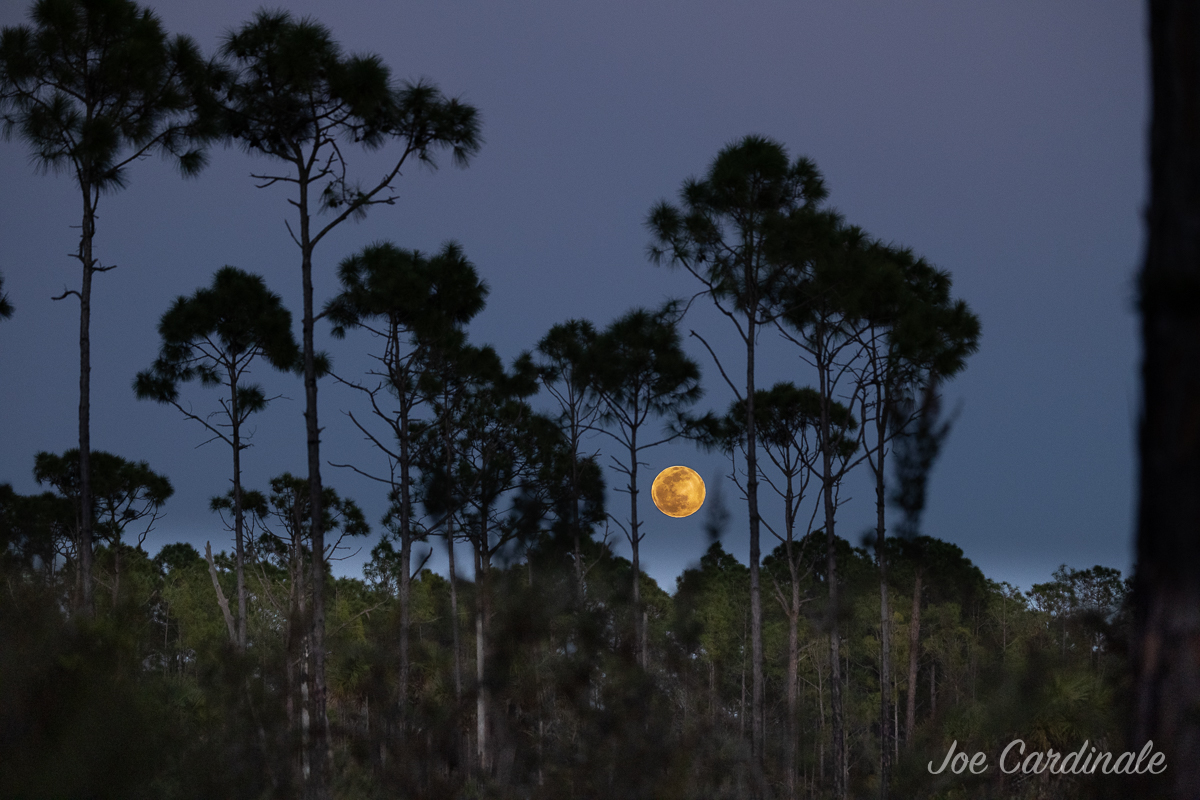
Check out what you can see today at the CREW Marsh Trails!